



Overview
Endoscope swab testing is a microbiological monitoring method used to assess the cleanliness of flexible endoscopes after cleaning and disinfection. It helps identify any residual microbial contamination that may remain on external surfaces or accessible channels.
Flexible endoscopes contain narrow lumens and complex components that can support microbial survival if reprocessing is inadequate.
Samples and analysis
Swab samples are collected from key areas such as distal tips and channel openings, then cultured in the laboratory to detect and quantify viable microorganisms.
Results and interpretation
Results are typically reported as colony forming units, CFU, and may include identification of organisms of concern.
Testing supports quality assurance processes and helps evaluate the effectiveness of decontamination procedures.

Sample collection
Endoscope swab testing is carried out after completion of the full decontamination cycle. Sampling at this stage helps verify the effectiveness of cleaning and disinfection.
Samples are typically taken from areas most at risk of retaining contamination, particularly the working channel.
Common sampling sites include:
-
The working channel
-
Channel ports or openings
-
The distal tip
-
Valve or control components, where appropriate
The working channel is prioritised due to its narrow structure and frequent exposure to biological material, making it more likely to retain residual contamination if reprocessing has been inadequate.
Swabs are then transferred to the laboratory for microbiological analysis to support quality-assurance and infection-prevention monitoring.
Laboratory Analysis
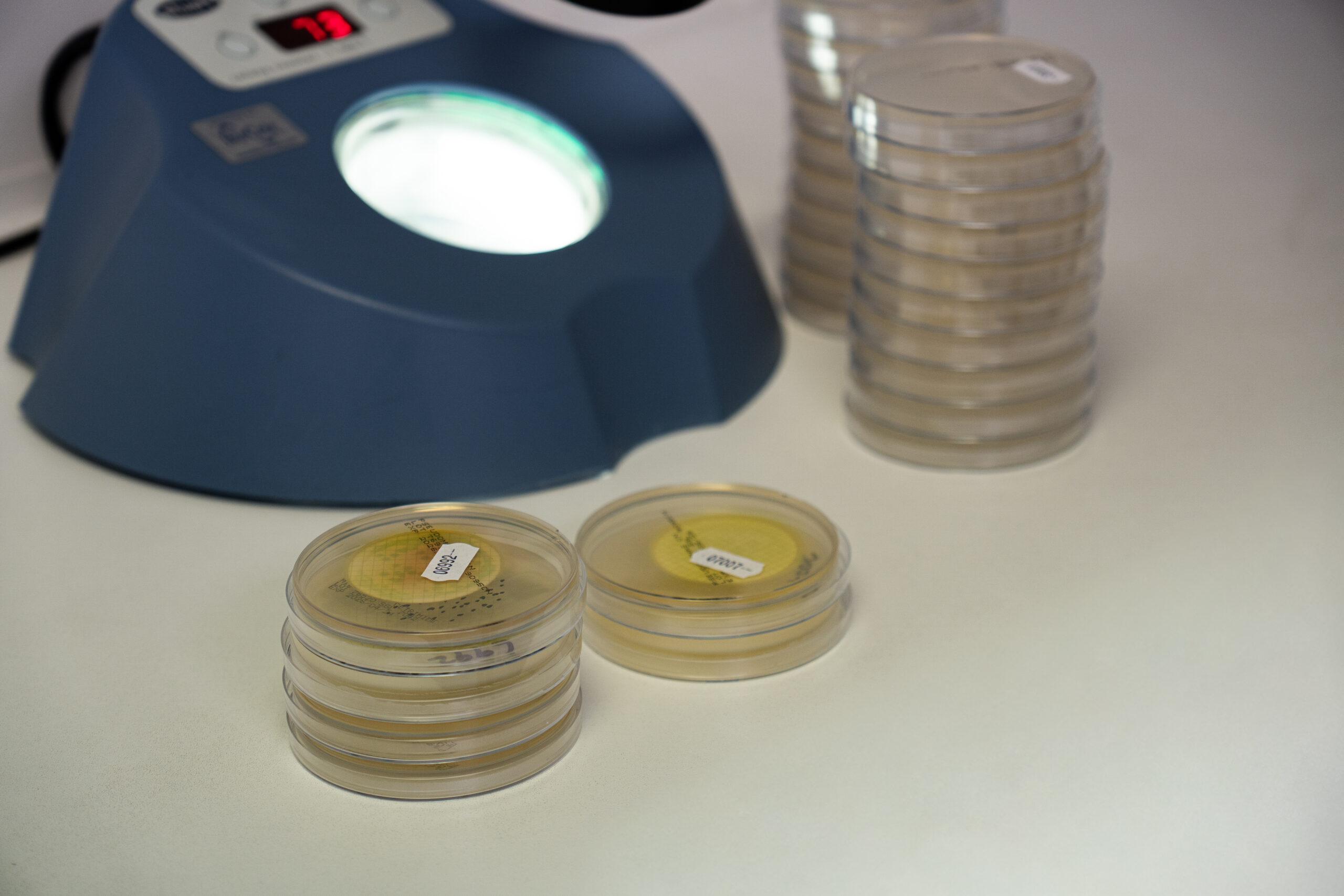
Following collection, swabs are returned to the laboratory under controlled conditions for analysis. Testing is performed using validated procedures to assess both residual protein and microbiological contamination, providing a combined evaluation of cleaning and disinfection performance.
Laboratory assessment typically includes:
-
Residual protein analysis
-
Microbiological culture and enumeration
Residual Protein Assessment
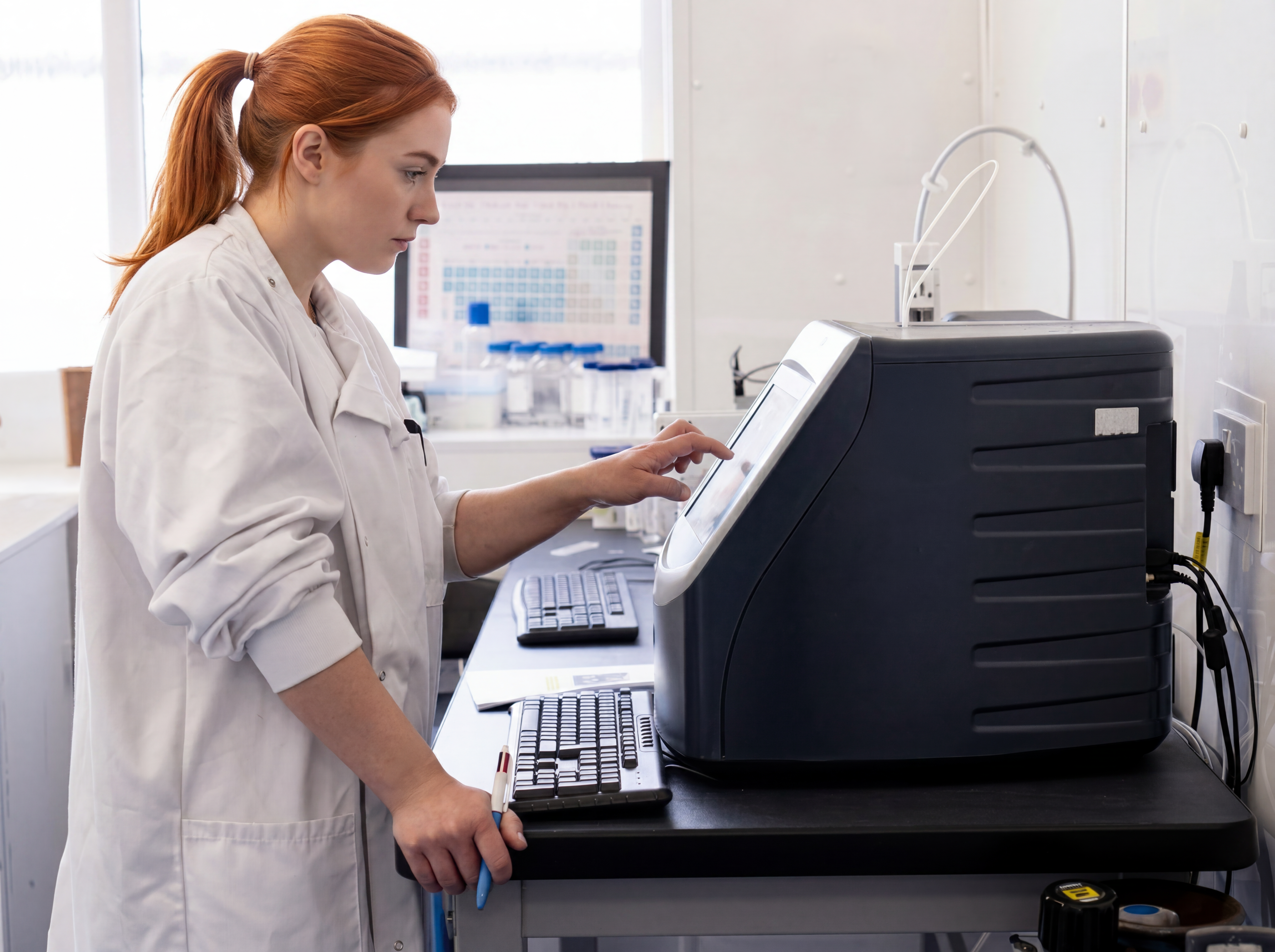
Residual protein testing is carried out using a spectrophotometric assay.
-
The sample reacts with specific assay reagents
-
A colour change occurs if protein is present
-
The intensity of the colour change is measured using a spectrophotometer
-
Results are compared against a calibration curve to determine protein quantity
Residual protein acts as an indicator of cleaning efficacy, as protein deposits may remain when manual or automated cleaning has been incomplete.
Microbiological analysis
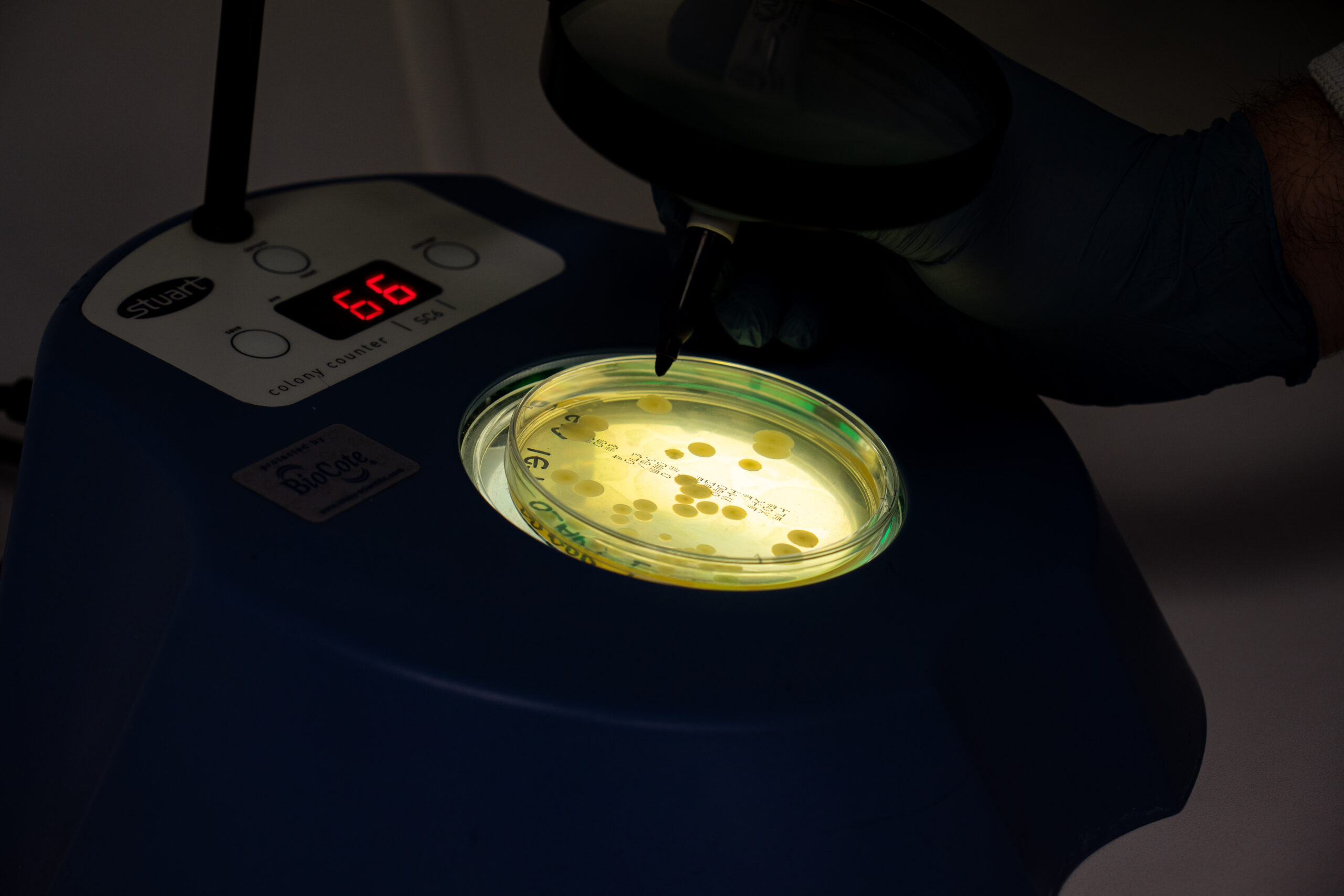
Swabs are also analysed for viable microorganisms.
-
Samples are incubated under controlled conditions
-
Any microorganisms present are allowed to grow
-
Colonies are counted and reported as colony-forming units, CFU
This process indicates disinfection effectiveness and may help identify persistent contamination or process failures.

Interpretation and reporting
The combined protein and microbiological results provide a comprehensive evaluation of endoscope reprocessing performance.
Results are used to:
-
Confirm the effectiveness of cleaning and disinfection
-
Support quality assurance programmes
-
Inform investigation or corrective action where required
Together, these assessments help ensure that decontamination processes are consistent, effective, and aligned with infection prevention standards.
You may also be interested in
Discover additional specialist services designed to strengthen your compliance framework and support safe, efficient clinical operations.