



Overview
Ethylene oxide (ETO) sterilisation is a widely used low-temperature sterilisation method designed for medical devices and equipment that cannot withstand steam or high heat processes.
The gas penetrates packaging, plastics and complex device structures, allowing effective sterlisation of heat sensitive materials while maintaining compatability with delicate instruments and electronics. Because of its deep penetration and material compatability, ethylene oxide remains an important sterilisation method across healthcare, veterinary and medical device manufacturing environments.
Low Temperature Sterilisation
Excellent Material Compatability
Deep Gas Penetration
Proven Sterilisation Method
What is Ethylene Oxide (ETO)?
Ethylene oxide (ETO) is a simple cyclic ether that exists as a gas at room temperature and becomes liquid below 10.7 °C. It is widely used in industrial chemistry and in the production of materials such as antifreeze, detergents and paints.
In healthcare and medical manufacturing, ethylene oxide is used as a low-temperature sterilisation agent. The gas can penetrate packaging, plastics and complex device structures, allowing effective sterilisation of equipment that cannot tolerate the high temperatures or moisture associated with steam sterilisation.
Because of these properties, ETO sterilisation is widely used for devices that are sensitive to heat or moisture, including:
-
Medical and surgical instruments
-
Endoscopes and complex devices with narrow channels
-
Plastic and polymer-based equipment
-
Electronic medical components
This combination of deep penetration and strong material compatibility makes ethylene oxide an important sterilisation method across hospitals, veterinary practices and medical device manufacturing facilities worldwide.
How ETO sterilises?
Ethylene oxide sterilises by alkylating cellular components of microorganisms. The gas reacts with proteins, enzymes and DNA, disrupting metabolic and reproductive processes and ultimately destroying bacteria, viruses and spores.
For effective sterilisation, the gas must first diffuse through packaging materials and reach all surfaces of the device being processed.
Key factors that influence the sterilisation process include:
-
Gas concentration – sufficient ETO must be present to inactivate microorganisms
-
Temperature – typically around 38 °C to 54 °C for effective low-temperature sterilisation
-
Humidity – moisture supports microbial susceptibility to the gas
-
Exposure time – adequate contact time ensures sterilisation is achieved
The controlled combination of these parameters allows ETO to sterilise complex medical devices without damaging delicate materials.

Typical Ethylene Oxide Sterilisation Cycle
A typical EtO sterilisation cycle operates at 54 °C and lasts approximately 16 hours, allowing sufficient time for sterilisation and safe removal of residual gas.
The process generally includes three stages:
Preconditioning
Items are placed into the sterilisation chamber where temperature and humidity are stabilised to ensure optimal sterilisation conditions.
Sterilisation
Ethylene oxide gas is released and allowed to diffuse through packaging and materials. The gas reacts with microorganisms, destroying them through alkylation.
Aeration
Residual gas is removed from the sterilised items. During this stage, filtered air is introduced to dilute and remove any remaining ETO to ensure the items are safe to handle.
The aeration stage is essential because ethylene oxide is a toxic and flammable gas, and proper removal ensures operator safety and product compatibility.

Materials and Devices Suitable for ETO Sterilisation
Ethylene oxide is particularly valuable for sterilising heat-sensitive and moisture-sensitive medical devices.
Common items sterilised using ETO include:
-
Endoscopes
-
Laparoscopic instruments
-
Catheters and tubing
-
Surgical instruments
-
Syringes
-
Gowns and masks
-
Bandages and dressings
-
Respirators
-
Sutures
-
Stent systems
-
Probes and electronic medical equipment
-
Plastic and rubber components
Devices with delicate electronics, optical components or complex internal channels are often unsuitable for steam sterilisation but can be effectively processed using ETO.
Ethylene Oxide Sterilisation Kits
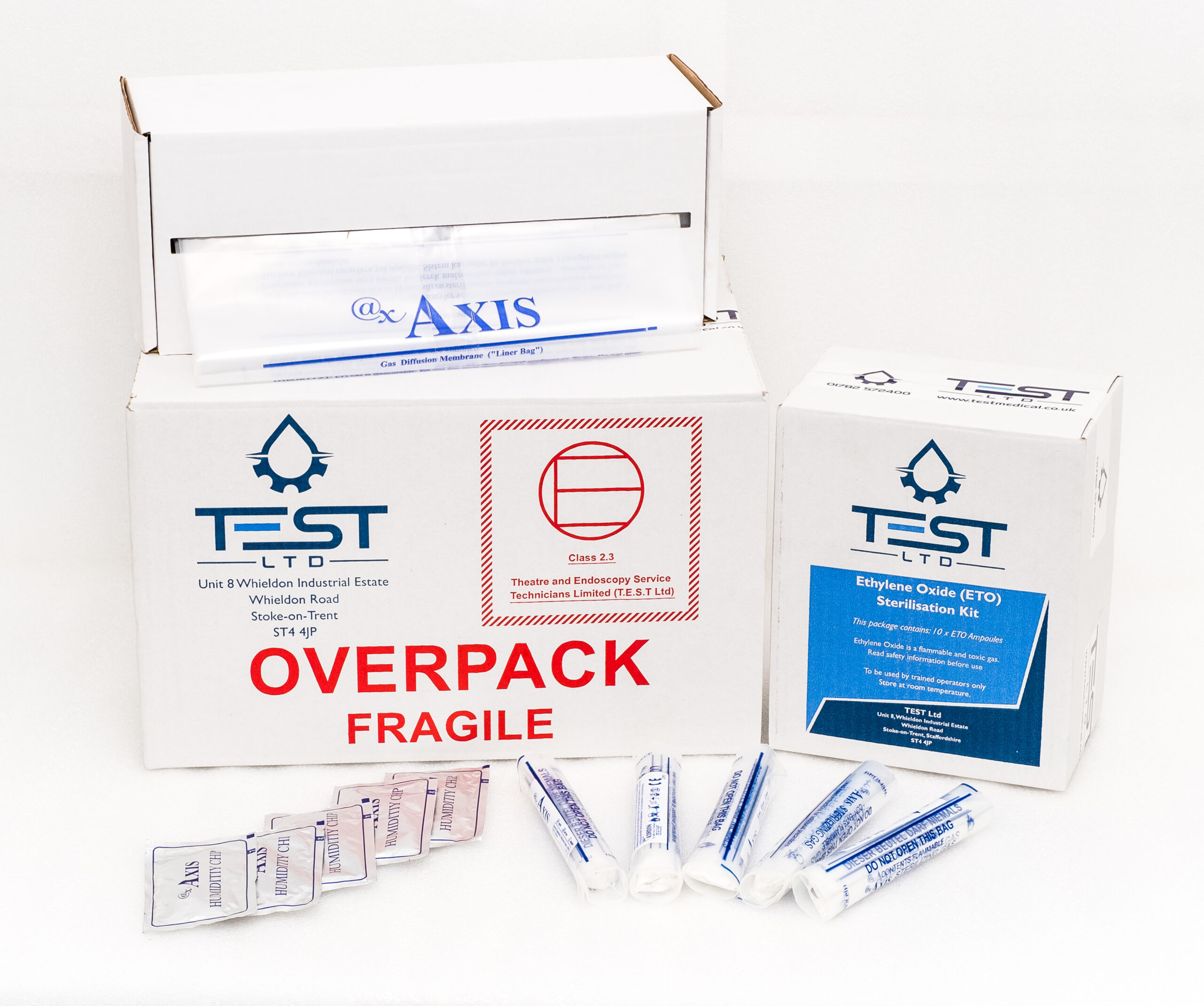
ETO sterilisation kits provide all the components required to perform a controlled sterilisation cycle when used with benchtop and cabinet ETO sterilisers. Each kit contains a measured dose of ethylene oxide along with the accessories required to prepare and process a sterilisation load safely.
A typical kit includes:
-
Ethylene oxide ampoules or cartridges containing a measured dose of sterilant
-
Humidity chips to maintain the required 30–50% relative humidity during the sterilisation cycle
-
Semi-permeable liner bags that allow controlled diffusion of gas throughout the load
-
Bag ties or seals used to secure the sterilisation bag
Different kit sizes are available to match various steriliser capacities and load sizes.

Ampoule kits
Ampoule kits offer a simple and cost-effective method for delivering ethylene oxide during the sterilisation process.
- ARQ-20
- 20 x 20cc ETO Ampoules
- 20 x Humidity Chips
- 20 x Liner Bags
- 20 x Bag Ties
- ARQ-11
- 20 x 20cc ETO Ampoules
- 20 x Humidity Chips
- 20 x Liner Bags
- 20 x Bag Ties
Cartridge Kits
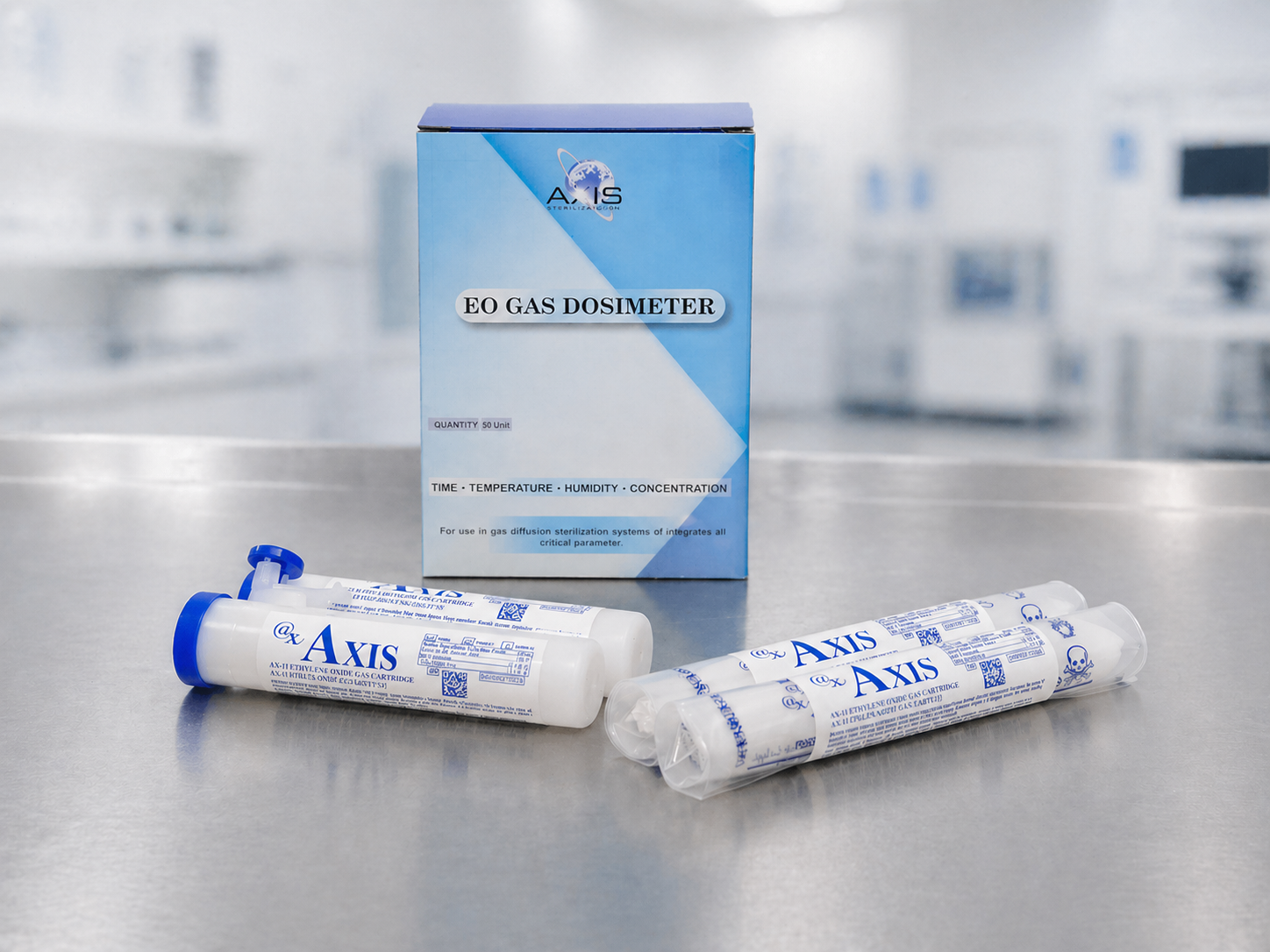
Cartridge kits provide an alternative gas delivery system with a simple push-button mechanism for easier operation.
- AR-11
- 20 x 11cc ETO Cartridges
- 20 x Humidity Chips
- 20 x Liner Bags
- 20 x Bag Ties
These kits are typically supplied with slightly larger liner bags, making them suitable for sterilising longer or flatter instruments.

ETO Sterilisation Consumables and Indicators
To ensure sterilisation cycles are effective and compliant with validation requirements, several monitoring and verification tools are used.
Chemical Indicators
Chemical indicators provide a visual confirmation that items have been exposed to the sterilisation process.
Examples include:
-
Exposure indicator dots
-
Multi-variable chemical indicator strips
-
Dosimeters for monitoring gas exposure levels
These indicators change colour when exposed to specific sterilisation conditions.
Biological Indicators
Biological indicators provide the highest level of sterilisation assurance. They contain bacterial spores, typically Bacillus atrophaeus, which are highly resistant to ETO sterilisation.
If the sterilisation cycle successfully inactivates these spores, the process can be confirmed as effective.
Biological indicators are widely used during validation and routine monitoring to demonstrate that sterilisation parameters have been achieved.

Our Range of ETO Consumables
We supply a full range of EtO consumables to support routine processing, cycle assurance and validation activities. Consumables are used to confirm gas exposure, verify cycle conditions and provide biologic al confirmation where required.
Humidity Chips
Moistened humidity chips designed to help maintain the required 30–50% relative humidity throughout the sterilisation cycle.
Dosimeters
Dosimeters indicate whether the correct exposure conditions have been achieved, supporting confirmation that time and concentration requirements have been met.
Exposure Indicator Dots
Self-adhesive indicator dots that provide a clear visual confirmation of gas exposure by changing colour after processing.
Chemical Indicator Strips
Chemical indicators provide higher assurance monitoring by responding to multiple cycle parameters, supporting robust process verification.
Biological Indicators (BIs)
Biological indicators are used to confirm sterilisation efficacy using highly resistant spores, providing a strong method of validating that the cycle achieved sterilisation conditions.
Frequently Asked Questions
A typical process includes the following steps:
-
Prepare the load
Instruments or materials are placed into a semi-permeable liner bag designed for controlled gas diffusion.
-
Add sterilisation components
A humidity chip, ETO ampoule or cartridge, and a process indicator or dosimeter are placed inside the liner bag.
-
Seal the liner bag
The bag is secured using a bag tie or heat seal to maintain the required conditions during the sterilisation cycle.
-
Activate the sterilant
The ETO ampoule or cartridge is activated within the sterilisation cabinet to release the gas.
-
Run the sterilisation cycle
The steriliser operates at controlled conditions, typically around 54°C, allowing the gas to penetrate the load and inactivate microorganisms.
-
Aeration phase
The cycle includes an aeration stage to remove residual ethylene oxide from the sterilised items before they are handled.
For safety reasons, ETO sterilisation should only be carried out by trained personnel following the appropriate operating procedures and safety guidance.
All sterilisation cycles are carefully monitored and controlled. Key parameters such as temperature, humidity, gas concentration, and exposure time are validated to ensure effective sterilisation.
A range of monitoring indicators can be used during ETO sterilisation to help confirm that the sterilisation cycle has been completed correctly and consistently. These may include
- Class 1 indicators – Process indicators used to show that an item has been exposed to the sterilisation cycle.
- Class 2 indicators – Indicators designed for specific tests carried out during validation or routine monitoring.
- Class 3 indicators – Single-parameter indicators that react to one critical sterilisation parameter.
- Class 4 indicators – Multi parameter indicators designed to react to two or more critical process parameters during the cycle.
- Dosimeters – Used to measure ETO gas exposure and help confirm the required sterilisation conditions have been achieved.
The monitoring products required may vary depending on the steriliser conditions have been achieved.
ETO requires appropriate safety controls due to its flammable properties and potential exposure risks. This is typically managed through:
- Suitable flammables storage
- Ventilation systems
- Personal exposure monitors
- Room monitoring systems
- Routine safety checks and servicing
These measures help maintain a safe working environment and support compliance with safety guidance.
You may also be interested in
Discover additional specialist services designed to strengthen your compliance framework and support safe, efficient clinical operations.